
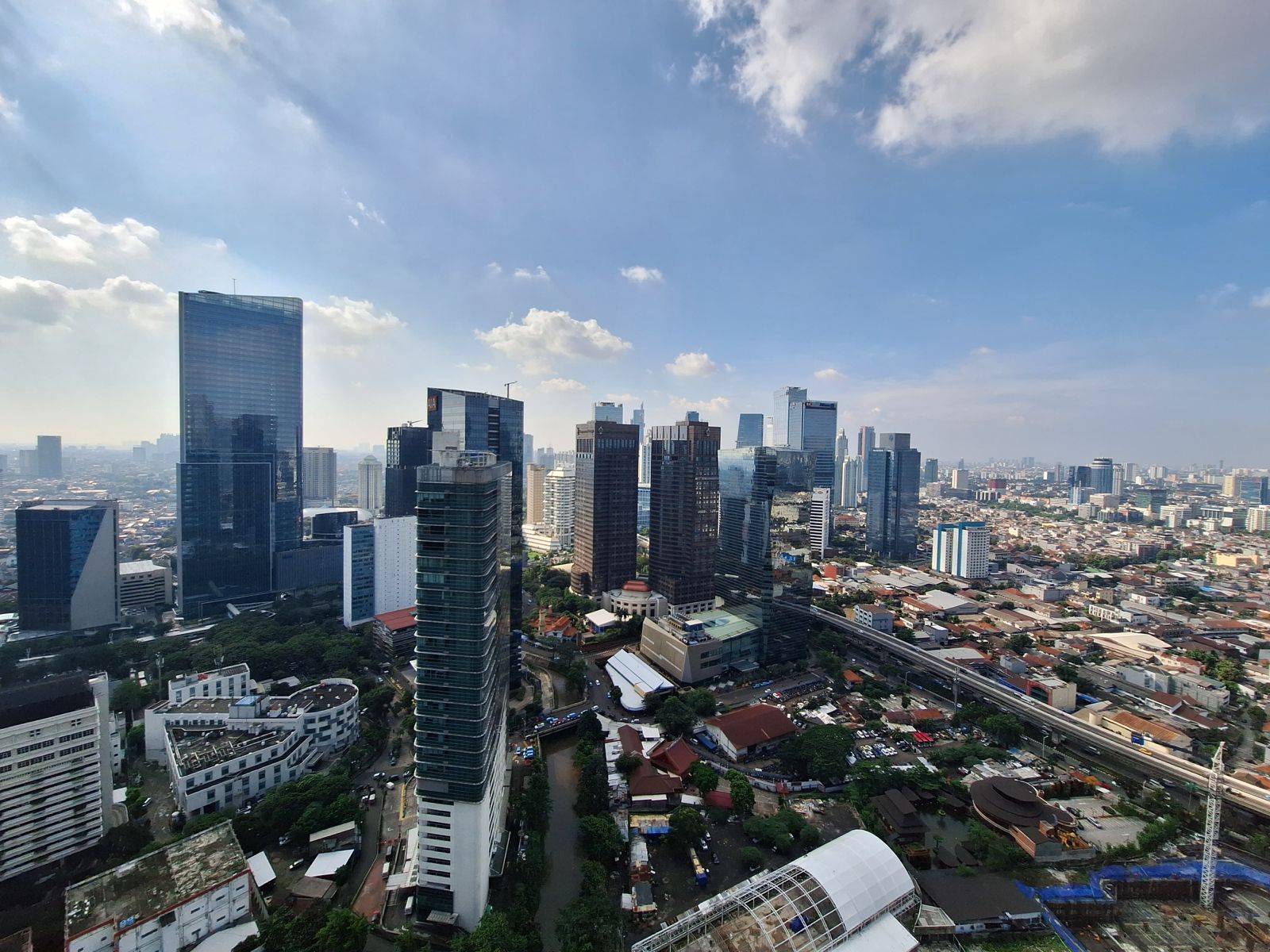
When expats relocate to Indonesia, one of the first practical decisions they face is whether to look for a furnished or unfurnished home. At first glance, the term fully furnished sounds straightforward—move in with your suitcases and start living. But in Indonesia, this term can mean very different things from one property to the next, often leading to unexpected gaps, extra shopping, and a few surprises during move-in week. Understanding what “fully furnished” really includes here will help set clear expectations and Guide you with a reality check toward a home that actually fits your needs.
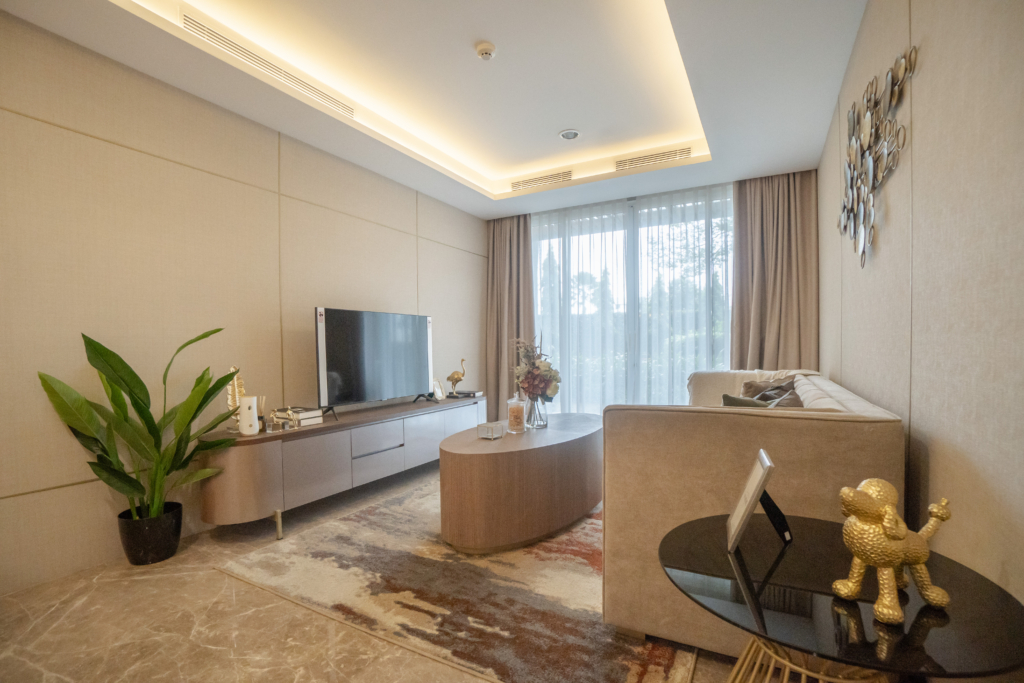
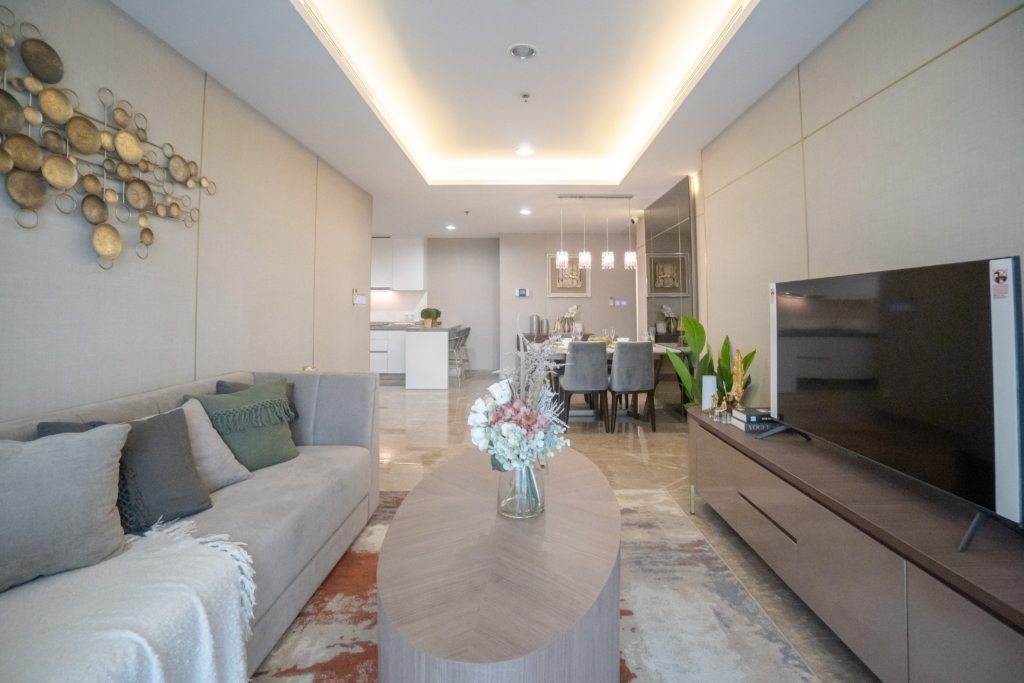
In most Indonesian rental homes, the living room typically contains the basics, such as a sofa, a coffee table, a TV cabinet, and a dining set. However, many expats quickly notice that the furniture style may not match, or the pieces might be reused from other properties. In some homes, a modern sofa sits next to an elaborate carved-wood cabinet, while in others, the upholstery may show signs of age or wear. Lighting tends to be minimal, as Indonesian houses rely primarily on overhead fixtures. Expats wanting a more cohesive look often end up adding lamps and décor to make the space feel comfortable and personal. Depending on the length of the lease, the landlord may be open to replacing some pieces that the tenant is not comfortable with.
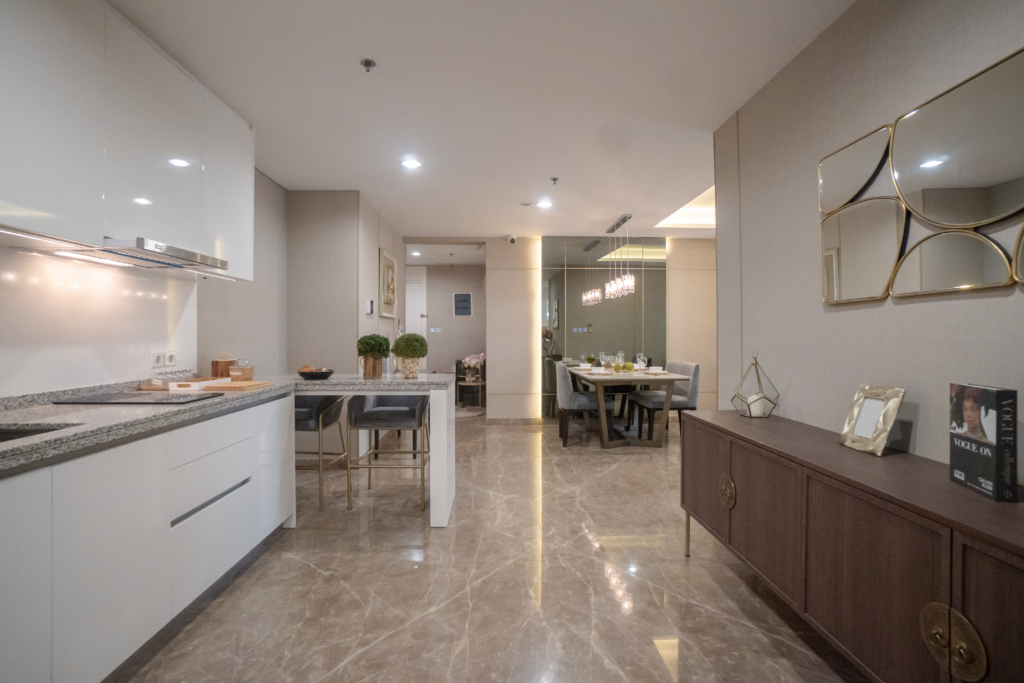
The kitchen is the area where “fully furnished” can feel the least complete. Many Indonesian homes provide only a refrigerator and a stovetop, and sometimes a microwave if you’re lucky. Ovens are not standard because Indonesian cooking habits generally don’t require them, and countertop space can be surprisingly limited. While a landlord may describe the kitchen as complete, this usually refers only to large appliances—not to cookware, utensils, plates, or small appliances like toasters or coffee makers. Most expats find themselves visiting a shopping mall shortly after moving in to purchase the essentials that are considered personal items rather than part of the furnishing package. It is very uncommon to have a dishwasher unless you are moving into a fairly modern apartment building. Due to the use of domestic staff in many homes, a dishwasher is not considered necessary. Some homes have the main kitchen as the “show kitchen” not necessarily that functional, and most of the cooking would be done in the “wet kitchen” or where the domestic staff prepares the daily meals.
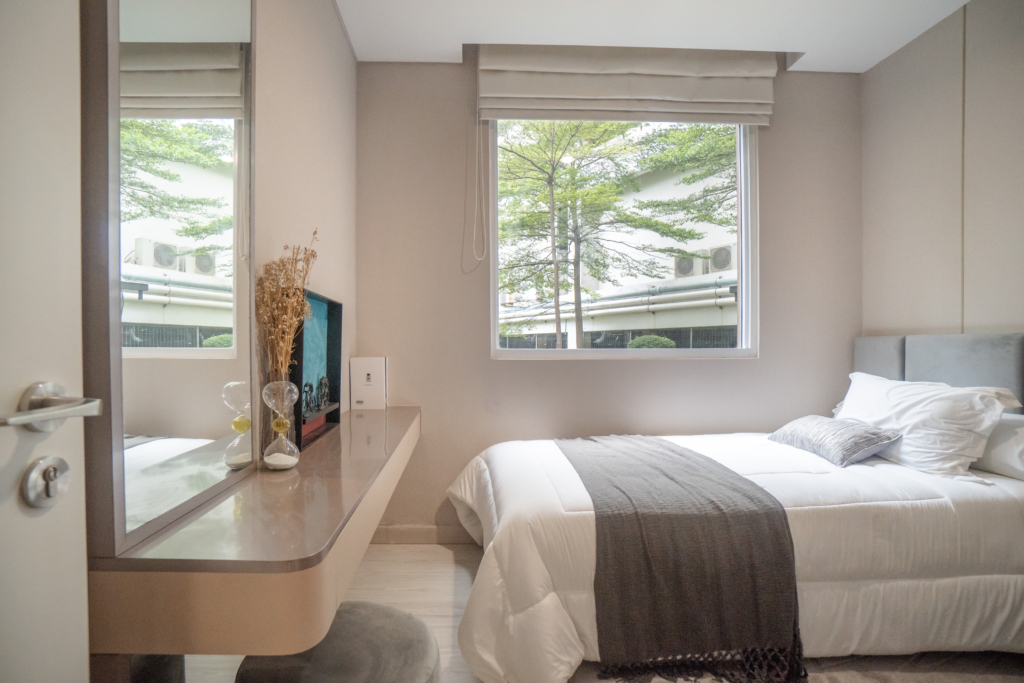
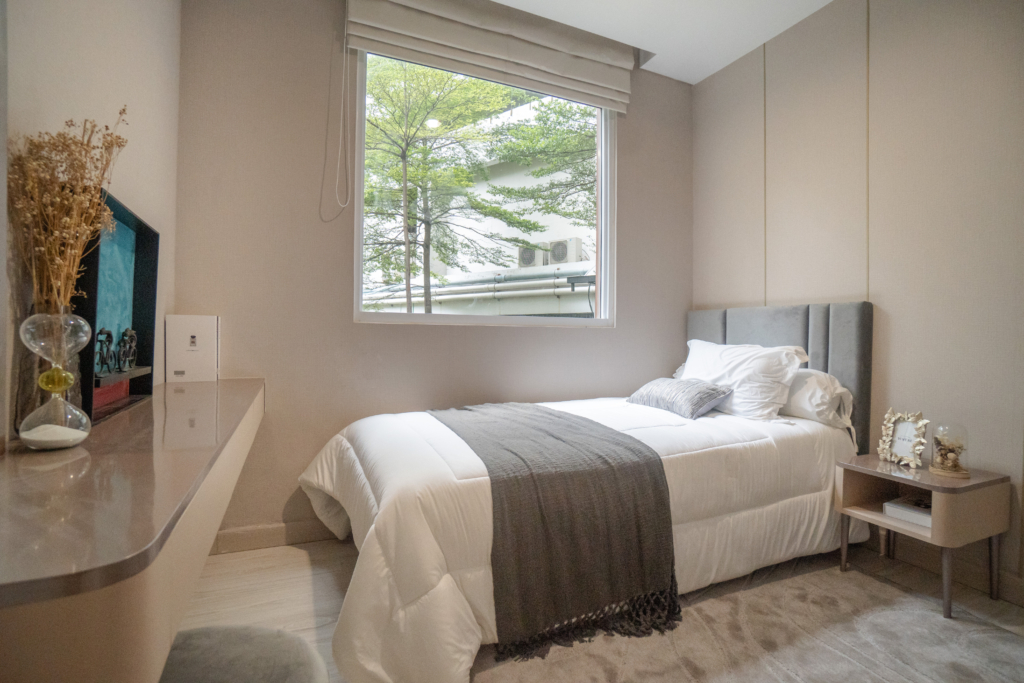
Bedrooms in furnished homes usually include a bed frame, a mattress, a wardrobe, and a side table. While this sounds complete, the quality of the mattress varies considerably, and many furnished properties include mattresses that are either extremely firm, very soft, or simply worn out. Storage can also be an issue. Large built-in closets are not standard in many Indonesian houses, so wardrobes may not provide enough space for an expat family’s clothing and personal items. Air conditioning is normally included, but the units may be older and require regular servicing. Replacing the AC unit may be something that is negotiated prior to signing the lease.
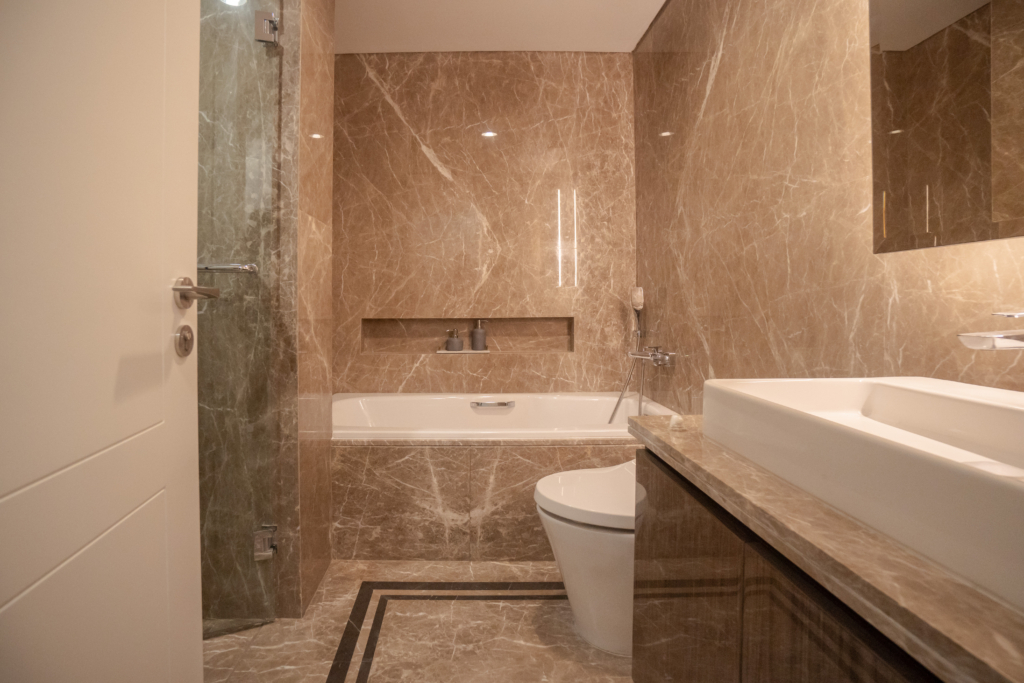
Bathrooms in furnished homes tend to include only the essentials: a toilet, sink, shower, and a basic mirror. Expats are often surprised to find there is no under-sink storage or shelving, and power outlets in bathrooms are rare due to safety and design norms in older homes. Hot water may be available only in the main bathroom, as some Indonesian families do not consider multiple hot-water bathrooms necessary. It is also common for towel racks and hooks to be missing, so tenants often need to add their own storage and accessories to make the bathroom functional.
The laundry area is typically simple and may be located outdoors or in a semi-open space. A washing machine is usually provided, but clothes are often dried on a rack rather than in a dryer. Dryers are still uncommon in many Indonesian households, and the electrical capacity of the home may not even support installing one without an upgrade. As a dryer uses a significant amount of electricity, most families do not use them. Water pressure can also vary significantly, influencing how well the washing machine performs.
Another important thing to understand is that items such as bedding, towels, cooking utensils, cleaning equipment, water dispensers, and basic household accessories are rarely included in a furnished home. Indonesian landlords generally see these items as personal, and local tenants prefer to use their own. As a result, expats typically spend the first few days after move-in purchasing everything from pillowcases to frying pans. This can come as a surprise to those accustomed to Western-style furnished apartments that include linens, kitchenware, and small appliances.
There are cultural reasons behind these differences. Indonesian families often move their own furniture from one home to another and do not expect landlords to provide a complete set of modern furnishings. Landlords also tend to reuse items from older properties, which explains why some interiors feel mismatched. In addition, many homes were not built with ovens, dryers, or extensive storage in mind, and the electrical capacity may be lower than what expats are used to. This means that even if a landlord is willing to add appliances, the wiring may not support them without upgrades.
Given these challenges, it is important to request a detailed inventory list before signing a lease. Ask for photos of everything that will be included and clarify any items that appear worn, outdated, or in need of replacement. Discuss in writing which items the landlord is willing to add, repair, or upgrade before move-in. It is also essential to complete a thorough walk-through during the handover, documenting the condition of each room through photos and videos. This ensures both parties have a shared understanding of the property’s state and helps prevent disputes at the end of the lease.
Because the meaning of “fully furnished” in Indonesia can vary so widely, using a professional housing agent can make the process far easier and far more efficient. A good agent understands what expats expect in terms of comfort, functionality, electrical capacity, and layout. They already know which homes are well-maintained and which landlords are flexible about upgrades. They can pre-screen properties so that you avoid homes with outdated furnishings, strange layouts, or missing essentials. This saves enormous time, especially for newcomers who may not yet understand local norms or the common maintenance issues found in Indonesian houses.
A housing agent also helps negotiate improvements before you move in. For example, they can request a new mattress, additional storage, an upgraded refrigerator, repainting, better lighting, or the installation of a water heater. They also understand which requests are culturally appropriate and which landlords are more likely to agree. For many expats, this guidance is invaluable. Instead of viewing fifteen properties, you are shown a well-curated shortlist of homes that already align with the standards most expatriates expect. In short, while “fully furnished” in Indonesia can mean many different things, understanding the local interpretation—and working with someone who knows the market—helps ensure a smoother relocation experience. With the right preparation, clear communication, and professional support, you can find a home that feels comfortable, practical, and ready for your life in Indonesia.


